
A showerhead swap is a useful rental bathroom upgrade that costs little, takes minutes, and usually needs no landlord visit because the threaded fitting stays in place. Keep the original. The change can disappear at move-out.
The common buying mistake starts with a weak or scattered shower. A renter assumes the room needs more water, then searches for the largest flow figure on a product page. That number cannot describe the spray against your shoulders.
Flow and spray have separate jobs. Published flow sets how much water the head may use. Nozzle pattern, droplet character, and the shape of the spray decide how that water arrives. Two compliant heads can therefore feel quite different.
Treat the flow number as a ceiling. Judge the product by spray behaviour, cleaning needs, and fit for the stall. Plan the return path before the new head leaves its box. That renter habit protects both comfort and the deposit.

Read the flow figure as a limit
A showerhead must use no more than 2.0 gpm to earn the WaterSense label, under the EPA statement. That requirement defines the upper flow for the label. It does not grade comfort, spray reach, or the sense of force at the body.
Product listings often place flow near the top because it is easy to compare. The placement can make the figure look like a performance score. Read it as one boundary within a larger design. The spray face still does the visible work.
A poor shower can come from an uneven spray, blocked nozzles, a pattern that misses the body, or a head that suits a larger enclosure. More volume cannot correct every one of those faults. A better pattern can improve the same water allowance.

Keep faucet figures in their own context
Bathroom faucets use separate guidance. The EPA says WaterSense-labeled bathroom sink faucets and accessories must use a maximum of 1.5 gallons per minute for the cited reduction of 30 percent or more. Those figures describe sink fixtures. They do not set a showerhead target.
The distinction sounds technical until two faucet settings are compared. Context decides. Public lavatory faucets should use 0.5 gallons per minute or less to be considered efficient, under the EPA guidance. The same page says those flow rates are not appropriate for use in private lavatories.
Context changes the meaning of the flow figure. A public sink supports a short hand-washing task. A private bathroom sink supports a wider range of daily use. A shower has another job again, with a spray pattern spread over the body.
This comparison gives renters a dependable rule. Keep each published number with its fixture and setting. A low figure can suit one place and fail another. The digits alone cannot tell you whether the experience will feel generous or frustrating.

Choose the spray you want to stand under
Coverage can matter more than a larger figure
Start with the shape of the enclosure and the place where you stand. A broad face can spread water across more space. A focused pattern can feel stronger in a compact stall. Neither description guarantees quality, but each tells you more than flow alone.
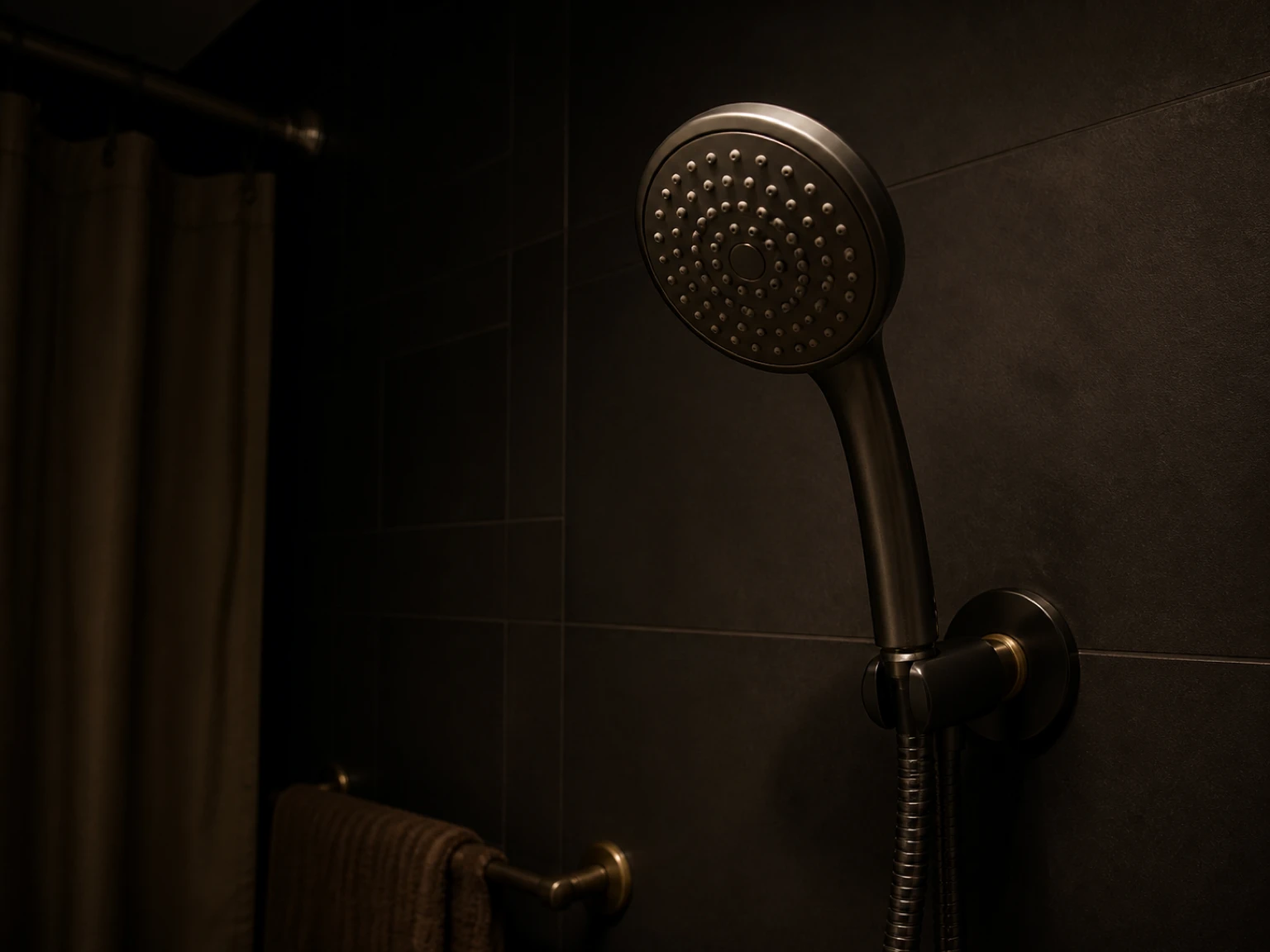
Look for a clear account of spray behaviour. Useful descriptions explain whether the pattern stays focused, spreads widely, or changes through a simple selector. Product photos can also show how the nozzles fill the face, though a staged image cannot prove feel.
Fine droplets can feel soft and full, yet they may cool quickly in an open shower. Larger droplets can feel more direct. The room, the distance to the head, and personal preference all affect the choice. A flow label settles none of them.

A clean spray face protects the pattern
Nozzle condition also changes the result. Mineral deposits can bend narrow jets away from their intended path. A head with a face you can wipe easily gives a renter a simple way to preserve an even pattern without changing the plumbing.
Check how the spray face is described and how much detail the listing gives about routine care. Plain, accessible nozzles make the upkeep easier to understand. Decorative shapes with hidden edges may need more attention in a bathroom with mineral buildup.
Make reversibility part of the purchase
The original showerhead is part of the rental. Its storage plan deserves the same attention as the new head. Choose a dry box or sturdy bag before the swap. Keep the old fitting away from loose hardware that could scratch its finish.
Bag the original head with the plumber's tape used for the change. Label the bag for the bathroom and move-out return. Store it where cleaning supplies cannot leak onto it. This small archive turns future reinstallation into a known task.
Keep any washers or small parts with the head they came from. Do not mix them with parts from the replacement. The original set should return together. A photo of the stored pieces can help you remember which items belong to the rental.

Keep the physical swap gentle
Check the lease before changing a named fixture. For a permitted head-for-head swap, keep the wall pipe untouched. Unscrew the head by hand or use a cloth-wrapped wrench. The cloth protects the finish while gentle pressure limits strain on the fitting.
Stop if the wall fitting moves, visible corrosion appears, or the head will not release with gentle effort. Ask maintenance to handle that condition. A showerhead upgrade never justifies damage behind the wall or a repair charge at move-out.
After the swap, keep the area dry enough to spot an unwanted drip. A persistent leak belongs with maintenance if a gentle head replacement does not settle it. Leave pipework changes to the property owner or a qualified professional.

Read reviews for behaviour
Reviews become more useful when you search for descriptions of the pattern. Look for comments about even coverage, stray jets, or a spray that becomes too diffuse at normal standing distance. Skip claims that give no bathroom context.
Give extra weight to reports that describe the enclosure and the preferred feel. A complaint from a large open shower may say little about a compact rental stall. The same product can suit one layout and frustrate another.
Return terms matter because spray feel is personal. Read them before purchase, and keep the replacement packaging clean during the first check. If the pattern misses your needs, a clear return path protects the budget without encouraging a risky modification.

Reinstall the rental head at move-out
Put the original head back before the final bathroom clean. Complete the reversal. Use the stored tape and the original parts from the labeled bag. Keep the same gentle boundary: the wall fitting stays still, and maintenance handles damage or movement.
Clean the replacement and pack it for the next home. A familiar head can make another rental bathroom feel settled sooner. Its usefulness travels because the old apartment receives its fixture in the condition you preserved.

Let the spray decide
A flow label gives a useful ceiling. It cannot promise a satisfying shower. Choose the pattern that fits the enclosure, sends water where you need it, and stays easy to clean. Those traits shape the daily experience.
Keep the original head and every matching part together. Store the plumber's tape beside them. That simple move-out kit makes the upgrade belong in a rental because reversal remains part of the plan from the start.
The final buying rule is plain. Use the published flow figure as a limit, then choose on spray behaviour. Preserve the rental fixture, and put it back before you leave.

Before buying: check the lease, compare spray behaviour, plan dry storage for the original head, and read the return terms. For the rest of the room, see the dark and cozy bathroom guide. Find more reversible choices in the rental home finds guide. Finish the room with the warm lighting guide.