
Most leases treat paint and nail holes as damage. So the walls end up the largest surface in the apartment and the one renters are most afraid to touch. The furniture gets settled. The walls stay blank. What breaks the deadlock is not a longer list of decor tricks. It is a rule about load: weigh the thing, identify the surface, then pick a mount rated for both.
Adhesive strips carry published ratings. Those ratings are per set, not per package. Read them before buying. The difference between a frame that stays up and one that falls at three in the morning is usually a rating somebody guessed at.
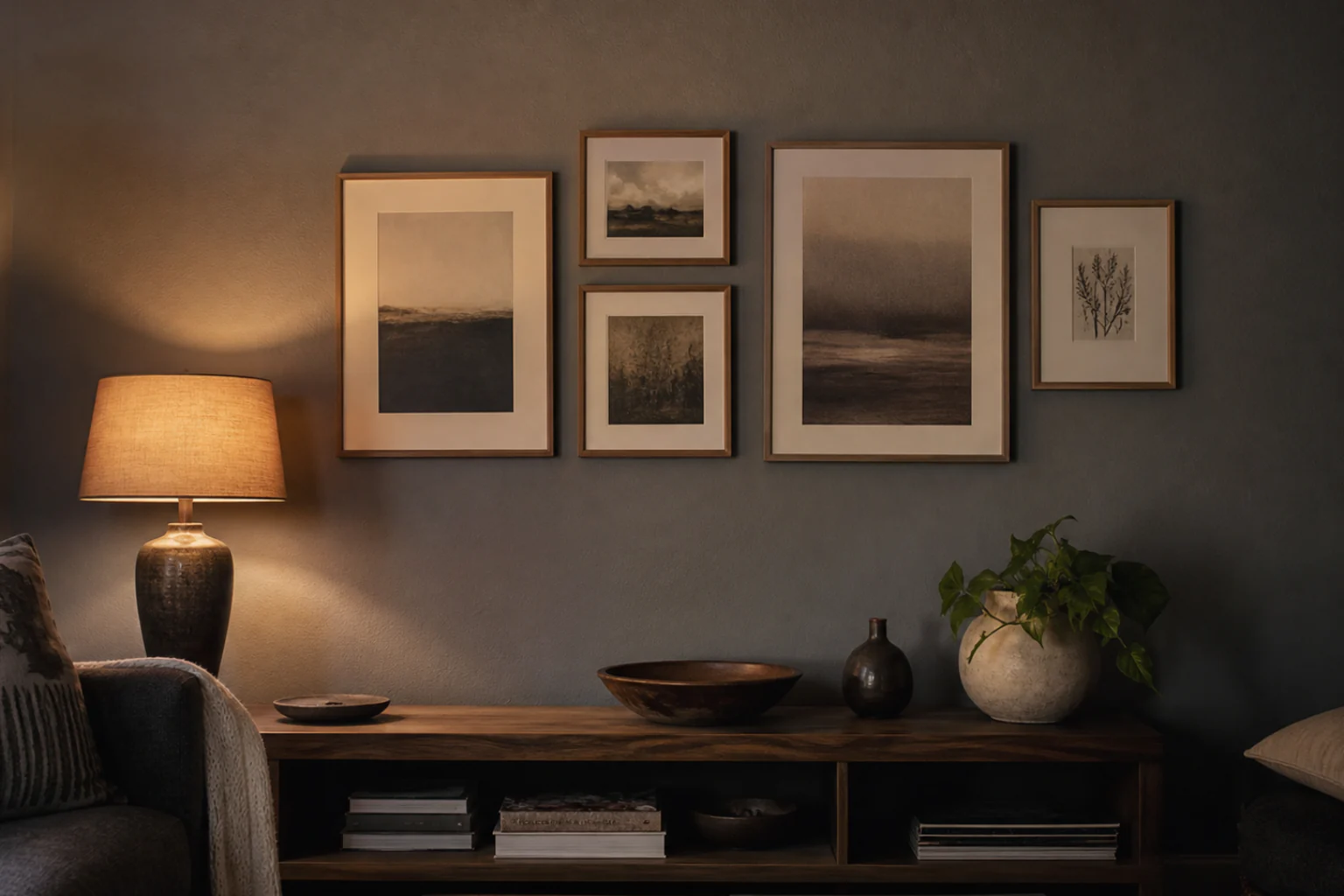
Start with the lease and the wall itself
1. Read the lease clause before choosing a method
Leases differ more than renters expect. Some ban nails outright. Some allow small picture hooks and charge only for large repairs. Some say nothing at all, which means the move-out inspection decides. Ask the property manager in writing and keep the reply. It costs nothing, and every other decision here depends on the answer.
2. Identify the wall surface before buying anything
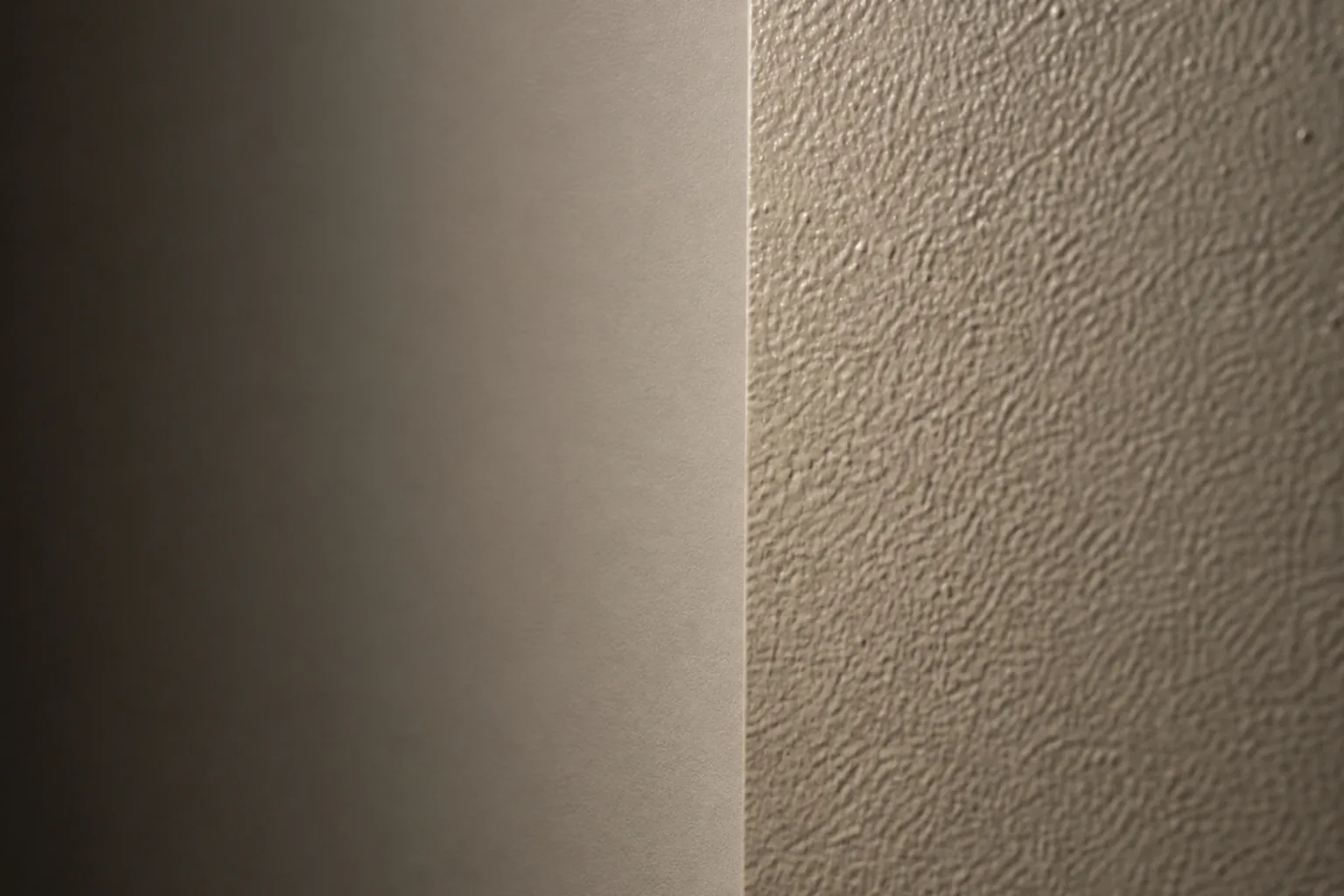
Adhesive mounts are specified for smooth, sealed surfaces. Textured plaster, brick, block, and unsealed wood scatter the contact area. The strip then grips a fraction of what its rating assumes. Wallpaper is its own category. 3M's instructions say not to hang on it at all, because the adhesive can be stronger than the paper's bond to the wall. Run a hand over the wall in raking light first.
3. Respect the 7-day wait after any painting
3M's instructions say to wait 7 days after painting before applying strips. Read that precisely. It is a requirement about adhesive bonding to a hardened film, not a claim about how long paint takes to cure. If the landlord repainted just before move-in, the clock matters. Hanging early is the most common reason a correctly rated strip lets go.
Hang art without a single hole
4. Match frame weight to the per-set rating
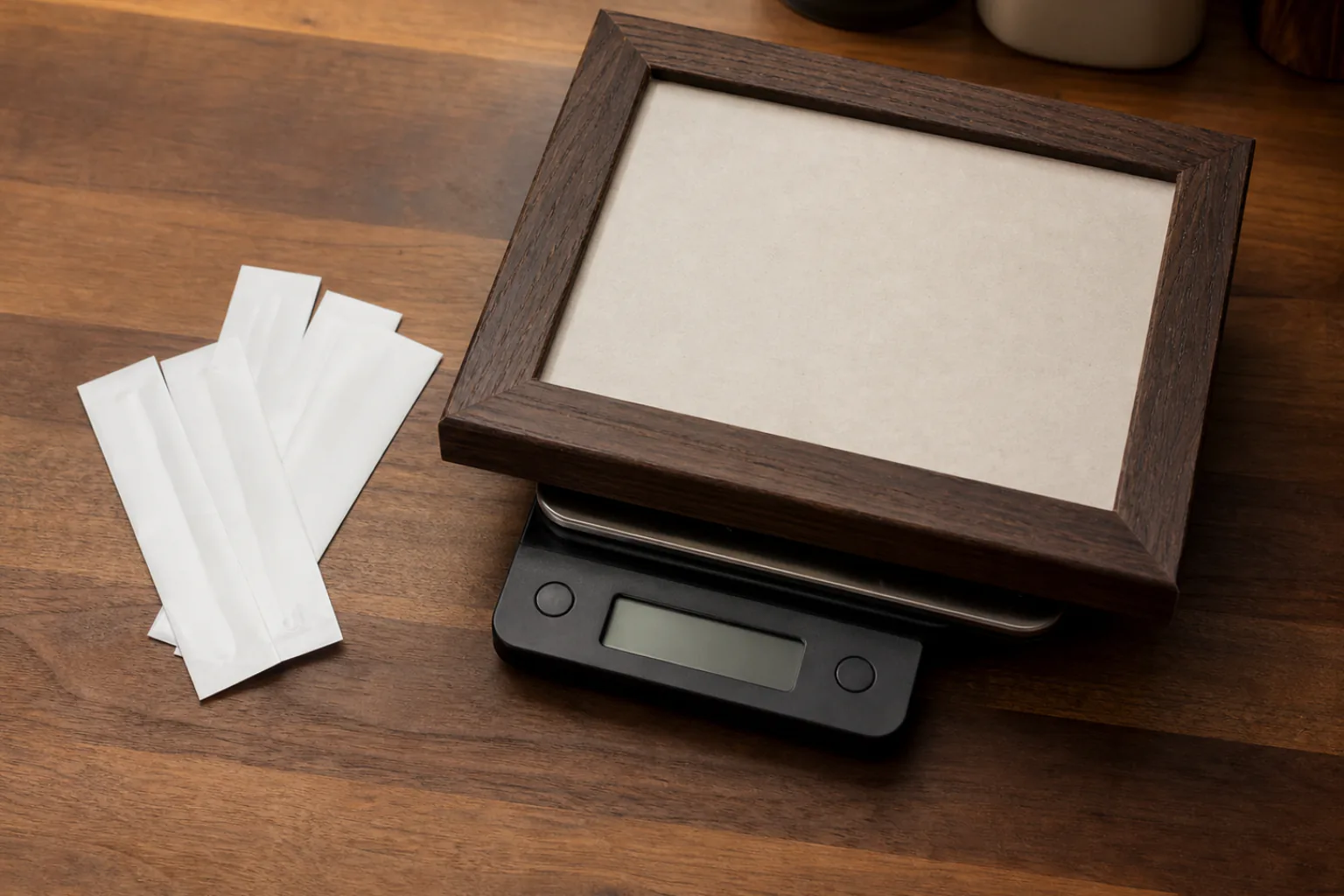
Command publishes its current US ratings per set. Small picture hanging strips are rated for 1 pound per set. Medium hold 3 pounds per set, large 4 pounds per set, and narrow strips match medium at 3 pounds per set. Weigh the frame on a kitchen scale instead of estimating. Then use enough sets to cover it with margin. The bigger totals quoted for multi-set arrangements assume every set is applied correctly on a clean, smooth surface.
5. Clean with rubbing alcohol, never a household cleaner
3M's instructions specify rubbing alcohol. They warn against household cleaners and water by name. Sprays leave a surfactant film that stops the adhesive wetting out. This one step accounts for a lot of early failures on walls that were otherwise fine.
6. Keep strips off the frame's paper backing
The instructions also warn against applying strips to paper or soft surfaces on the frame. Kraft dust covers and foam board tear before the adhesive does, so the frame separates from its own backing while the strips stay perfectly attached to the wall. Mount to the frame's solid rail instead.
7. Leave the valuable pieces off adhesive entirely
3M's instructions say not to hang valuable or irreplaceable items. That line is easy to skim. It is also the most useful sentence in the packet, because it draws a line the rating does not. A rating describes what a mount holds in good conditions. It says nothing about what happens if the wall was damp, the surface dustier than it looked, or the strip pressed for four seconds instead of thirty. Heirlooms, art with real value, and anything under glass belong on a hook in a stud, or leaned at floor level.
The same instruction sheet also says not to hang over beds. Take it literally. A frame that fails at two in the morning is a different event from one that fails over a rug.
Cover a wall without touching it
8. Use tension rods to carry fabric across a wall
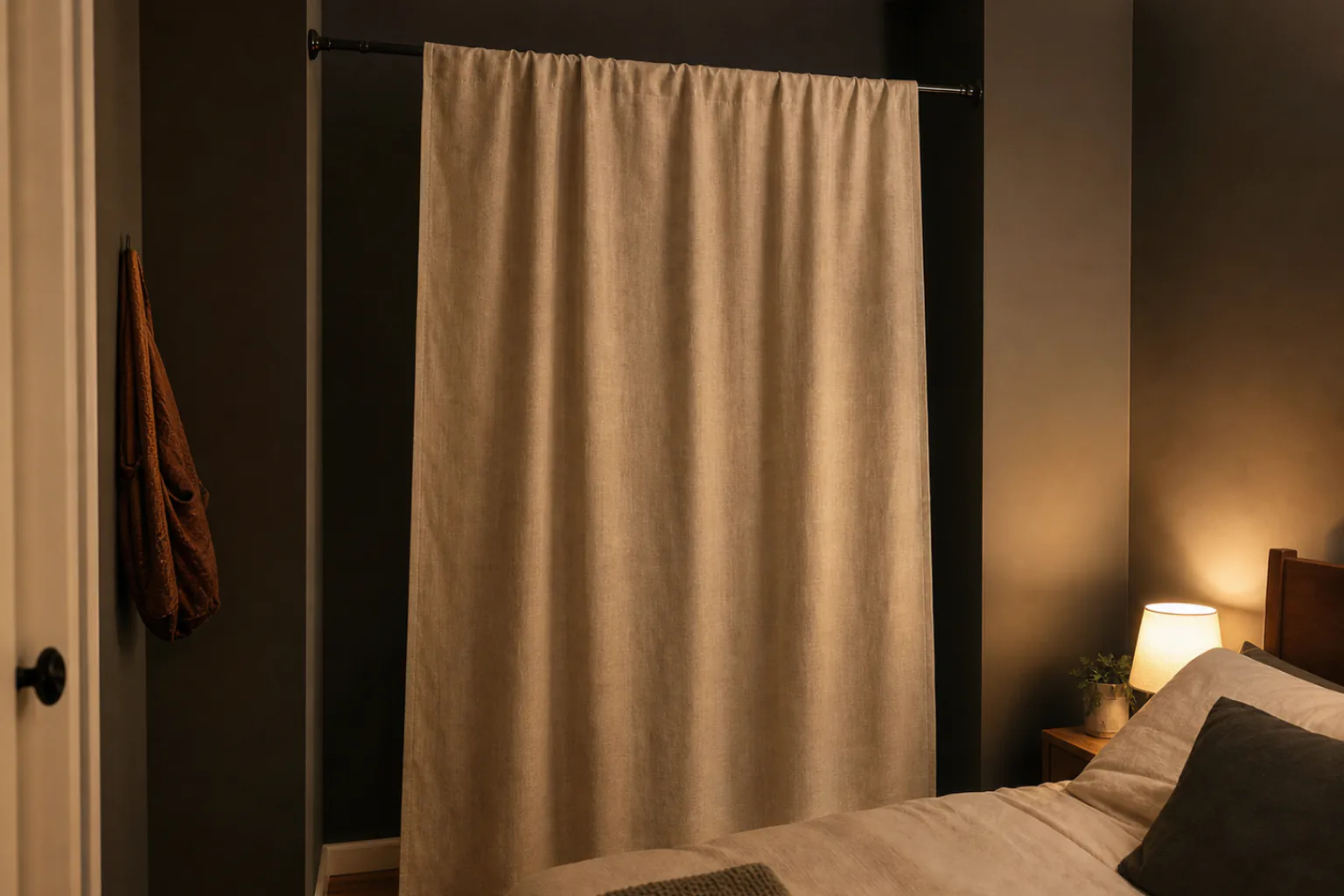
A tension rod puts its load into two opposing surfaces instead of the wall face. That makes it the most useful no-damage tool a renter owns. Hang a curtain or a length of fabric from it and a blank wall softens, while a hard room loses some echo. Size the rod so it works near the middle of its range. At full extension the holding force is weakest.
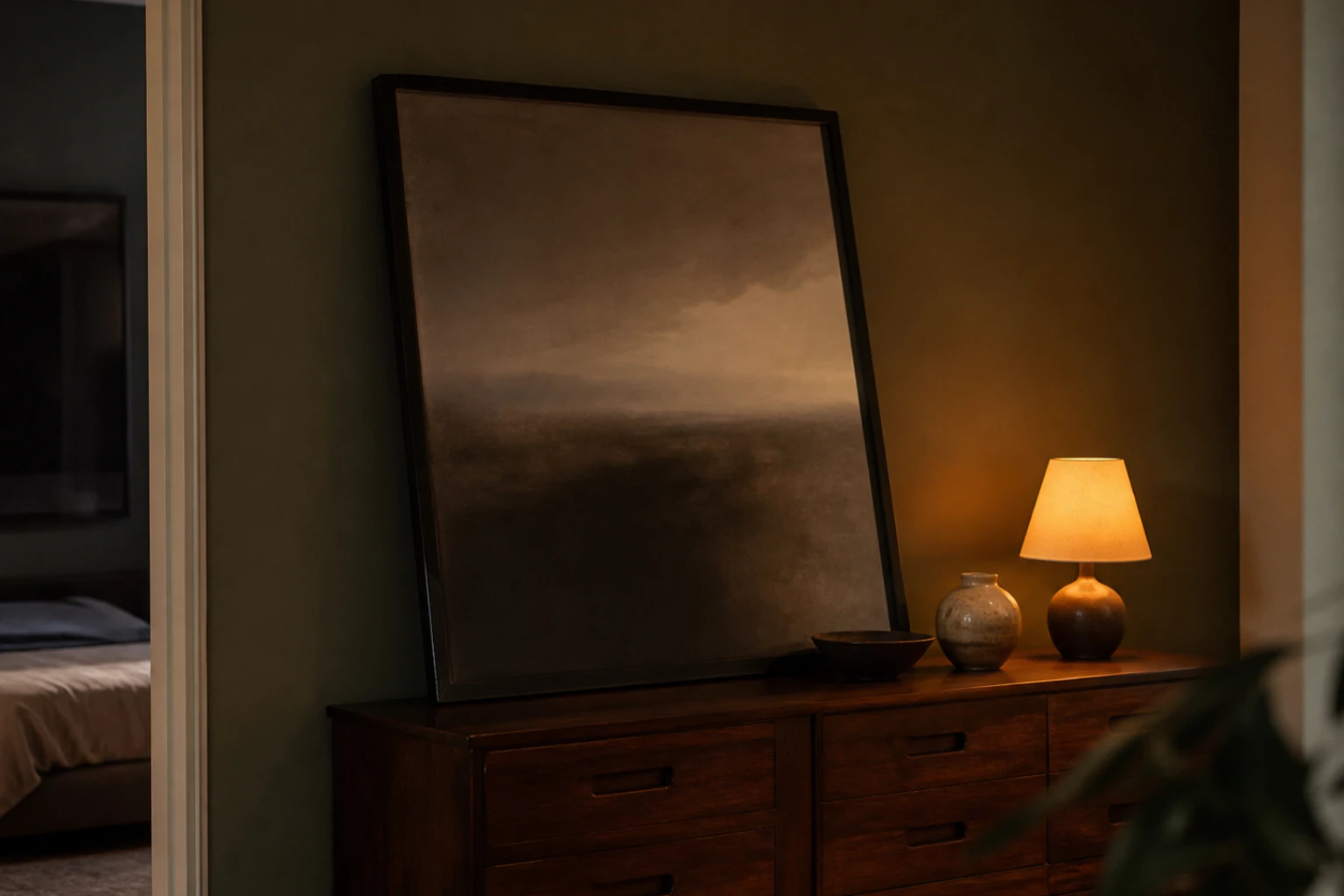
9. Lean art instead of hanging it
A large piece leaned on a dresser, a mantel, or the floor reads as deliberate. It also removes the weight question completely. An oversized frame can live in a rental that would never hold it on adhesive. Set the base where there is enough friction to stop it sliding. Keep the lean shallow so the top edge stays against the wall.
10. Let a freestanding shelf carry the display
A narrow freestanding shelf or ladder puts objects at wall height while the floor takes the load. In a small room this is often better than a mounted shelf anyway, because it can move when the layout changes. Keep the heaviest items on the lowest shelf so the unit stays stable.
There is a second reason to prefer the floor. Adhesive ratings are static ratings. They describe a steady hanging load, not the sharp tug of a coat being pulled off a hook or a shelf being leaned on. Anything that gets handled daily puts a changing load on the mount, and that is the load most likely to break a bond. Shelves that hold things you reach for constantly belong on the floor, on a stud, or on a rod.
Finish the wall with light and depth
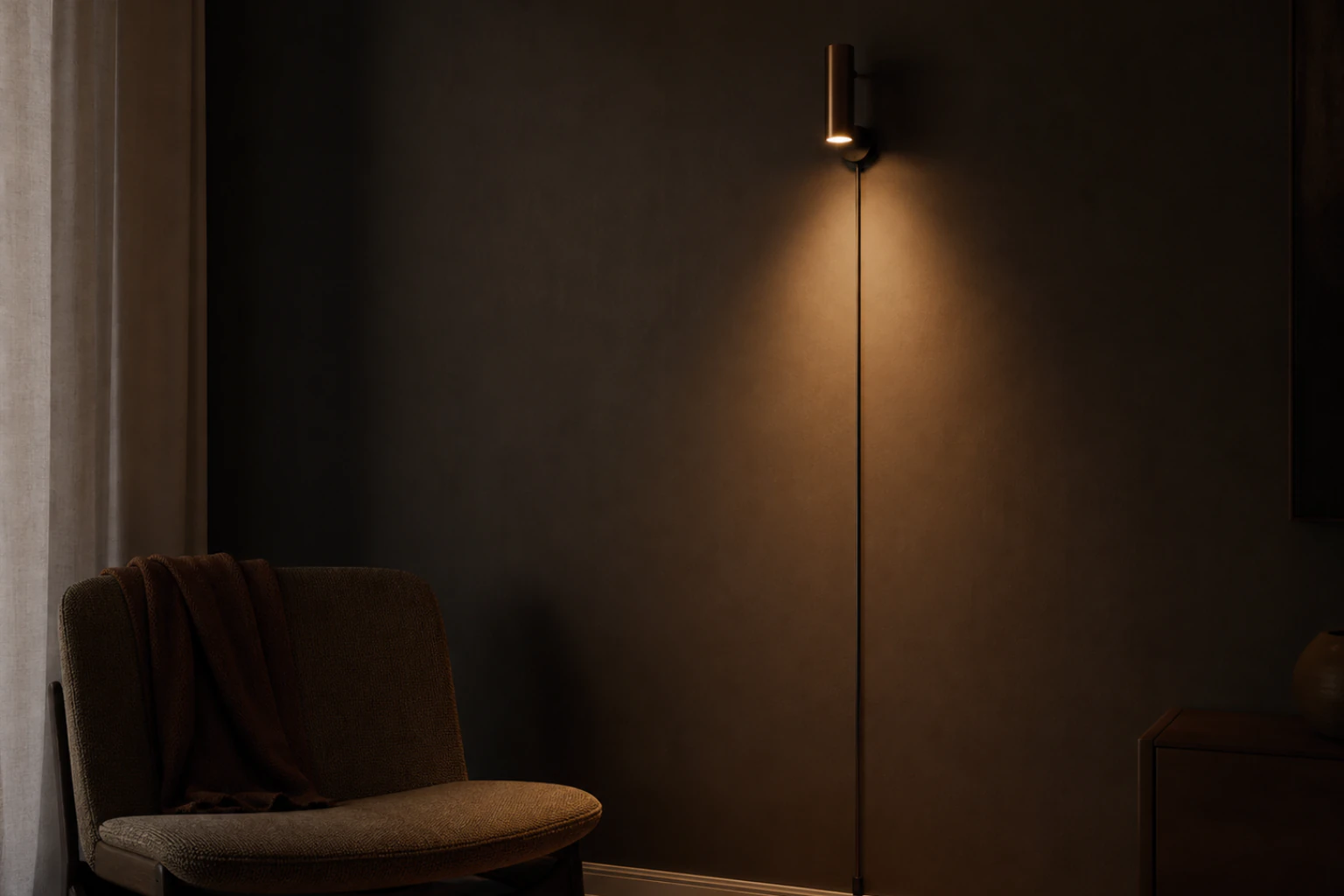
11. Add a plug-in wall light rated for its mount
A plug-in sconce turns a bare wall into a considered one with no electrical work. The mount is the constraint. General-purpose adhesive hooks in the current line top out at 7.5 pounds, and a metal sconce with a swing arm passes that quickly once the arm is extended and pulled. Match the fixture's real weight to a rated mount. Route the cord deliberately instead of hiding it behind furniture.
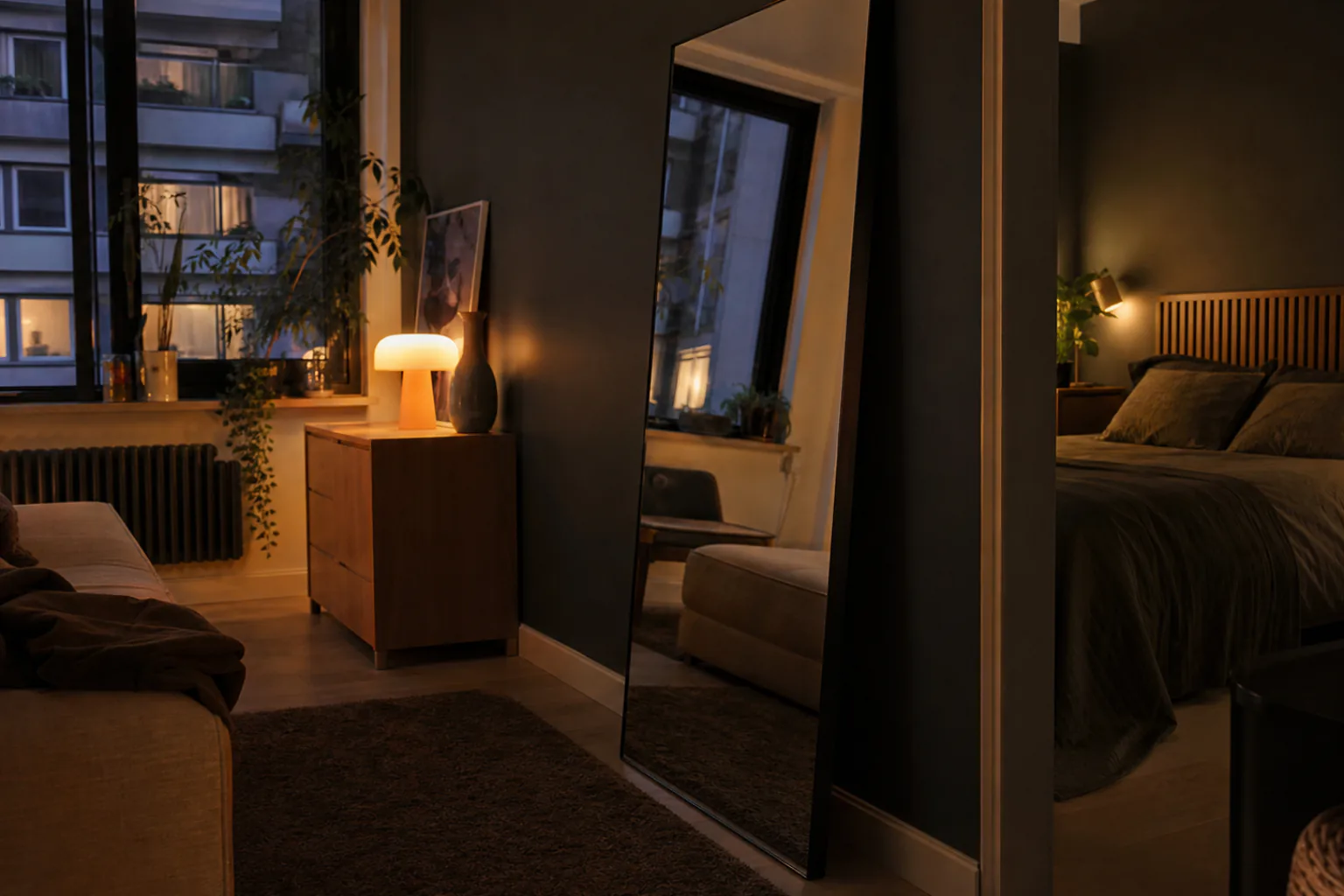
12. Build depth with a mirror on an existing surface
A mirror leaned on a console or the floor doubles the apparent depth of a narrow room. It also returns whatever warm light the room already has. Mirrors are heavy and glass fails badly, so this is the one item where leaning beats adhesive in almost every rental. Secure the base so it cannot slide. Keep it out of the walking line.

The rule that decides every wall
Weigh the object. Identify the surface. Choose a mount rated for that weight on that surface. If any of the three is unknown, lean it or hang it from a tension rod instead. That one rule covers a gallery wall, a mirror, a shelf, and a light. It fails far less often than a list of ideas that never mentions load.
The finished-rental rule: match the mount to the weight and the surface, and when either is uncertain, put the load on the floor. For lighting on those same walls, see the warm lighting guide. For surface-level changes, read the peel-and-stick guide, browse renter upgrades, or visit all articles.